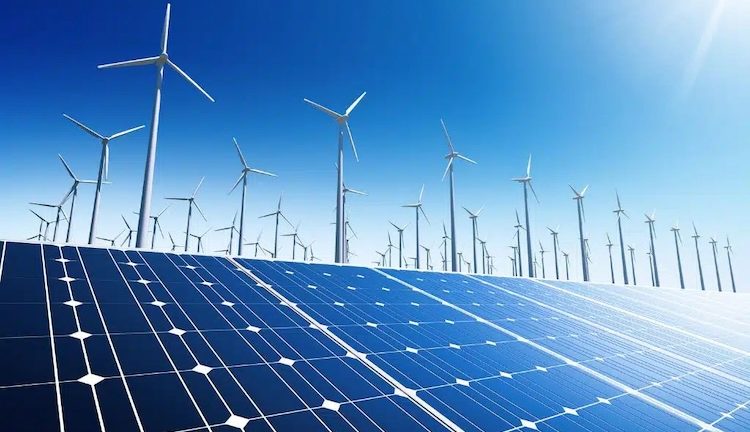
By Aar Jay BERLIN | GENEVA (IDN) — As the climate emergency intensifies, demand is rising for minerals that are critical for renewable energy technologies like solar panels, wind turbines and electric vehicles (EVs). Many developing countries have a wealth of these minerals but lack the processing capabilities needed to add value. The UN Trade […]
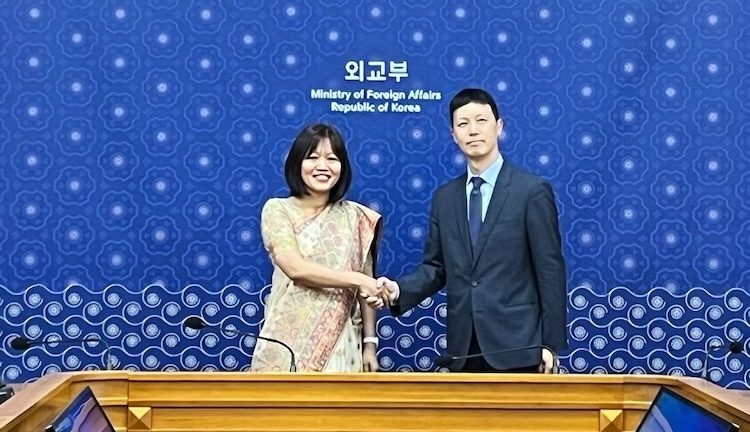
S. Korea and India Hold Consultations on Disarmament, Nonproliferation
By Yi Wonju SEOUL | 26 April 2024 (IDN | Yonhap) — South Korea and India held consultations on disarmament to discuss ways to address North Korea’s growing military threats and other emerging security challenges, the foreign ministry said. The fourth “ROK-India Dialogue on Disarmament and Non-proliferation,” led by Youn Jong-kwon, director-general for nonproliferation and […]
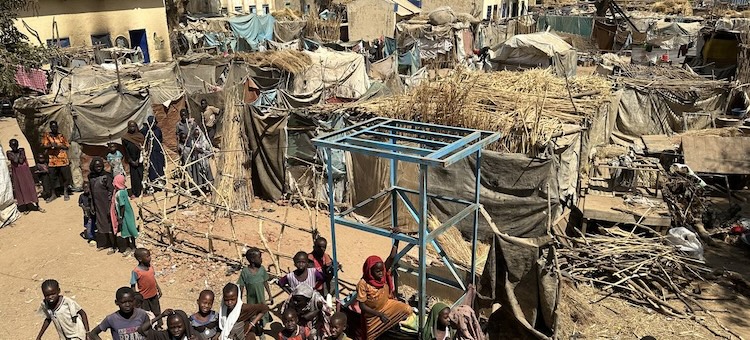
‘Barbaric’ Sexual Violence In Sudan — Haiti’s Transitional Council in Place —Iran Rapper’s Death Sentence Condemned
By UN News UNITED NATIONS | 26 April 2024 (IDN) — The international community must take immediate action to end the wave of sexual violence being carried out against women and girls in Sudan, two senior UN officials said on 25 April. Special Representative on Sexual Violence in Conflict Pramila Patten together with Deputy Emergency […]

U.S. Begins Construction on Temporary Pier to Deliver Humanitarian Aid to Gaza
By Joseph Clark This article appeared as the US Department of Defense (DOD) News. WASHINGTON | 25 April 2024 (IDN) — U.S. military personnel have begun construction of a temporary pier off the coast of Gaza to deliver critical humanitarian assistance, senior defense and Biden administration officials said today. Construction of the pier is expected […]
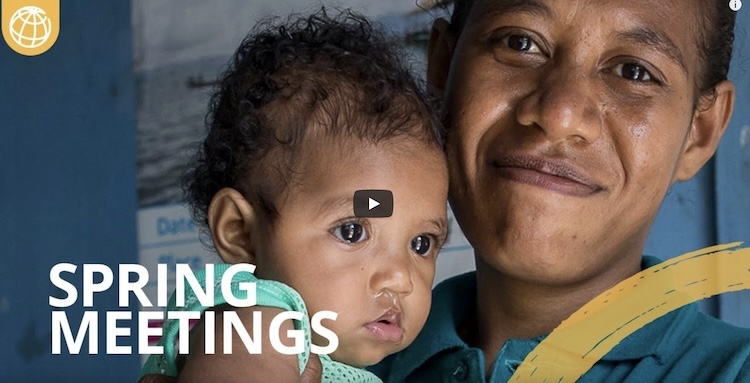
World Bank Reveals a New Health Target for 1.5 billion People in 2030
By J C Suresh TORONTO | WASHINGTON | 25 April 2024 (IDN) — The World Bank Group has announced an ambitious plan to support countries in delivering quality, affordable health services to 1.5 billion people by 2030. This is part of a larger global effort to provide a basic standard of care through every stage […]
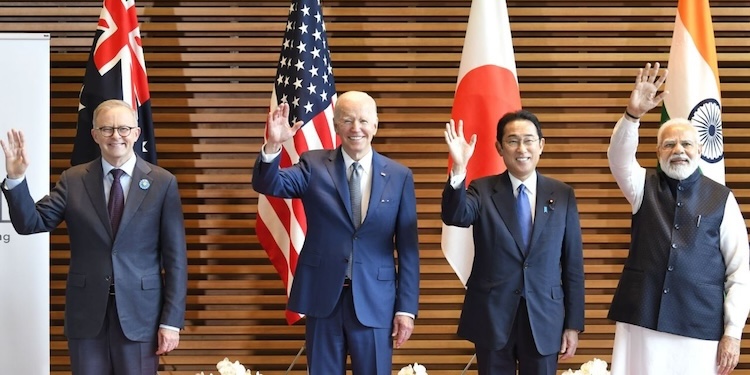
It’s China, Stupid! Why the West Is Courting India
By Herbert Wulf* This article was issued by the Toda Peace Institute and is being republished with their permission. BONN, Germany | 24 April 2024 (IDN) — India votes. In the world’s largest democracy, with almost a billion voters, parliamentary elections are being held from April 19 to June 1. Prime Minister Narendra Modi is […]

Nationalism Is a Virus and Needs to Be Contained
By Jonathan Power* LUND, Sweden | 23 April 2024 (IDN) — Former British prime minister, Margaret Thatcher, would never have agreed with her French counterpart, the late President Francois Mitterrand, who said “Nationalism is war”. To her, nationalism was necessary and good and she felt much as Mitterrand’s predecessor, Charles de Gaulle, who said of […]
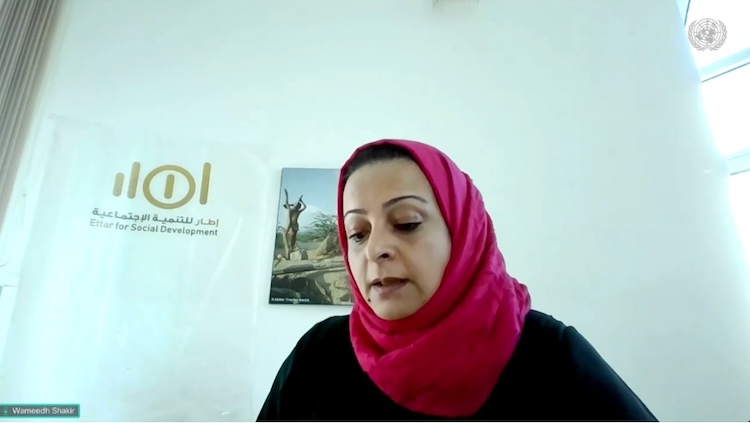
A Plea for a Resolution to the Economic & Humanitarian Crises in Yemen
By Wameedh Shakir Following is statement to the UN Security Council by Wameedh Shakir, Chairwoman of Itar Foundation for Social Development on 15 April. UNITED NATIONS | 23 April 2024 (IDN) — I stand before you today with a heavy heart, pleading for your urgent attention to the ongoing crisis in Yemen that has unfolded […]

Rise in Global Military Spending Amidst Two Ongoing Conflicts
By Thalif Deen NEW YORK | 22 April 2024 (IDN) — The ongoing destructive war between Russia and Ukraine, which has dragged on since February 2014, and the equally devastating six-month-old conflict between Israel and Hamas, have triggered a rise in military expenditures worldwide. According to the latest figures released on April 22 by the […]

Two African Students of Theater Win Major Soros Award
By Lisa Vives, Global Information Network NEW YORK | 22 April 2024 (IDN) — Winners of a generous prize from the Paul & Daisy Soros fund this year include Zimbabwe-born Ruva Chigwedere and Saidu Tejan-Thomas Jr. from Sierra Leone. Both are in graduate theater programs in their respective schools. The fellowship winners are children of […]